
Table of Contents
TogglePUBG changed online gaming forever. PlayerUnknown’s Battlegrounds, commonly known as PUBG, launched in 2017 and sparked the battle royale craze that still dominates gaming today. The premise is simple: 100 players drop onto an island, scavenge for weapons, and fight until one player or team remains. PUBG created a formula that countless games have since copied, but it remains one of the most played shooters worldwide. This guide explains how PUBG works, its game modes, where players can access it, and why millions still log in every day.
Key Takeaways
- PUBG is a battle royale game where 100 players drop onto an island, scavenge for weapons, and fight until one player or team survives.
- The shrinking play zone forces players toward the map’s center, creating intense firefights as matches progress over 25-35 minutes.
- PUBG offers solo, duo, and squad modes across multiple maps ranging from the iconic Erangel to the fast-paced jungle map Sanhok.
- The game is free-to-play on PC, PlayStation, Xbox, and mobile devices, with cross-play available between console platforms.
- PUBG’s mix of accessible gameplay and deep mechanics keeps both casual and competitive players engaged years after its 2017 launch.
- Regular updates, a thriving esports scene, and continuous new content explain why PUBG remains one of the most played shooters worldwide.
How PUBG Works
PUBG drops players into a large open map with nothing but the clothes on their backs. From there, survival depends on quick thinking, strategy, and a bit of luck.
The Basic Loop
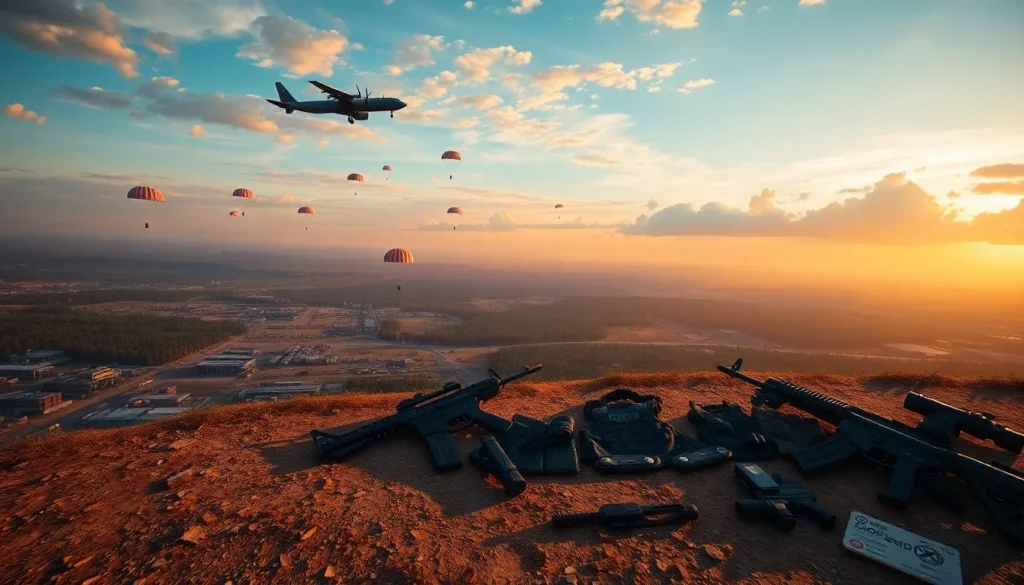
Each PUBG match starts with players aboard an airplane flying over the map. They choose when to jump and parachute down to their preferred landing spot. Popular areas contain better loot but attract more enemies. Quieter zones offer safety but fewer resources.
Once on the ground, players scramble to find weapons, armor, healing items, and attachments. PUBG features dozens of real-world firearms, from pistols to sniper rifles. Each weapon handles differently, and mastering recoil patterns takes practice.
The Shrinking Circle
The defining mechanic of PUBG is its shrinking play zone. A blue force field closes in at set intervals, dealing damage to anyone caught outside. This system forces players toward the center of the map and guarantees confrontation.
As matches progress, the safe zone becomes smaller. Final circles often squeeze remaining players into tight spaces where firefights become intense. A typical PUBG match lasts 25-35 minutes, though players can die within seconds of landing.
Combat and Strategy
PUBG rewards patience and positioning over pure aggression. Players can choose to engage enemies or avoid fights entirely. Some prefer landing in hot zones and fighting immediately. Others loot quietly and wait for the final circles.
Vehicles scattered across maps provide fast transportation but create noise that alerts nearby enemies. Sound design plays a crucial role in PUBG, footsteps, gunshots, and vehicle engines reveal player positions.
Game Modes and Maps
PUBG offers several ways to play, keeping the experience fresh for newcomers and veterans alike.
Squad Options
Players can queue for solo, duo, or squad matches. Solo mode pits 100 individuals against each other. Duo mode pairs players with a partner. Squad mode supports teams of four. Each format requires different tactics, solo play demands self-reliance while squads need communication and coordination.
PUBG also features ranked modes for competitive players. These matches use stricter rules and track player statistics across seasons.
Available Maps
PUBG rotates multiple maps, each with distinct terrain and size:
- Erangel – The original 8×8 km map featuring forests, cities, and military bases. It remains the most iconic PUBG battleground.
- Miramar – A desert map with open terrain and long-range combat opportunities.
- Sanhok – A smaller 4×4 km jungle map designed for faster matches.
- Vikendi – A snow-covered map with unique weather effects.
- Taego – A large Korean-inspired map with comeback mechanics.
Smaller maps like Sanhok create action-packed games lasting 20 minutes. Larger maps like Erangel offer slower, more tactical experiences. PUBG regularly updates its map rotation and adds limited-time modes with special rules.
Platforms and Accessibility
PUBG is available on nearly every major gaming platform, making it accessible to a wide audience.
PC and Console
The game launched on PC through Steam in March 2017. Console versions followed in late 2017 for Xbox One and 2018 for PlayStation 4. Current-generation consoles (PlayStation 5 and Xbox Series X/S) run enhanced versions with improved graphics and frame rates.
PUBG transitioned to a free-to-play model in January 2022. Anyone can download and play the core game without spending money. Revenue now comes from cosmetic items, battle passes, and optional premium content.
Mobile Gaming
PUBG Mobile launched in 2018 and became a global phenomenon. The mobile version attracts hundreds of millions of players, particularly in Asia. It runs on most Android and iOS devices and features touch controls optimized for smartphones.
PUBG Mobile operates as a separate game with its own updates, events, and exclusive content. Tencent Games develops the mobile version in partnership with PUBG Corporation.
Cross-Platform Play
Console players on PlayStation and Xbox can compete together through cross-play. PC players remain in separate lobbies due to the competitive advantage of mouse and keyboard controls. PUBG Mobile players also compete only against other mobile users.
Why PUBG Became So Popular
PUBG didn’t invent the battle royale concept, but it perfected the formula at the right time.
Perfect Timing
When PUBG launched in 2017, gamers craved something new. The battle royale genre existed through mods and smaller games, but no major title had captured mainstream attention. PUBG filled that gap with polished gunplay and massive scale.
Streaming platforms amplified its reach. Twitch and YouTube creators showcased tense moments, clutch victories, and hilarious failures. Viewers watched, then downloaded PUBG to create their own stories.
Accessible Yet Deep
PUBG appeals to casual and hardcore players. Anyone can understand the basic goal, survive and be the last one standing. But mastering weapons, learning map rotations, and perfecting positioning takes hundreds of hours.
This balance keeps players engaged. A first-time player can win through luck or smart play. Veterans develop skills that provide consistent advantages without making the game unwinnable for newcomers.
Competitive Scene
PUBG established a professional esports circuit with tournaments worldwide. Major events offer prize pools worth millions of dollars. The competitive scene keeps PUBG relevant and gives dedicated players something to aspire toward.
Continuous Updates
PUBG Corporation releases regular updates adding new weapons, vehicles, maps, and features. Seasonal content keeps the player base engaged, and community feedback shapes development decisions. This ongoing support explains why PUBG maintains strong player counts years after launch.


